
Cloud convenience doesn’t have to mean shared infrastructure. With Brea private cloud hosting, your organization uses a cloud environment reserved for its workloads rather than sharing the underlying resources with other organizations. That single-tenant setup can give you a clearer boundary for managing access, configurations, and data.
It’s reasonable to want both flexibility and control. The key is understanding what isolation does and doesn’t do: a private environment can support tighter control, but it doesn’t replace active security management. This guide explains private cloud hosting, how single-tenant infrastructure works, and how hosting location and management affect your choices. Start by identifying which workloads and data need the most control, then consider how a private cloud could support them.
Key Takeaways
- Think of a private cloud as cloud infrastructure reserved for one organization, whether it runs on-site or off-site.
- Dedicated resources can help you align computing capacity with workload needs; performance still depends on how those resources are configured and managed.
- Isolation gives you more control over access and configurations, but it doesn’t replace sound security practices.
- When you need help planning or managing cloud infrastructure, Uptime’s Cloud Services can support that next step.
What is a private cloud?
A private cloud is a computing environment dedicated to one organization, with resources that aren’t shared with other organizations. It can run workloads such as a company website, database, or file system on hosted servers or on-premises infrastructure.
Dedicated Resources and Performance
Dedicated resources give an organization control over the computing capacity assigned to its workloads. That matters when a database and customer portal compete for processing power during busy periods. Virtualization lets administrators pool physical hardware and allocate capacity to virtual machines as demands change. For example, they can adjust resources for a reporting application without moving it to another organization’s environment. This can support performance and scalability, but reliability still depends on sound infrastructure management. Backups also help protect data if a system or application fails.
Consistent Performance
Consistent performance means workloads run on reserved resources rather than competing with other organizations’ activity. That can make resource use more predictable for a business application with regular demand, such as an internal scheduling system. Administrators can use management software to configure resources consistently and monitor workload use. If a virtual server has an issue on its current computing node, it can be migrated to another node. This supports continuity, but capacity still needs to account for changing workloads.
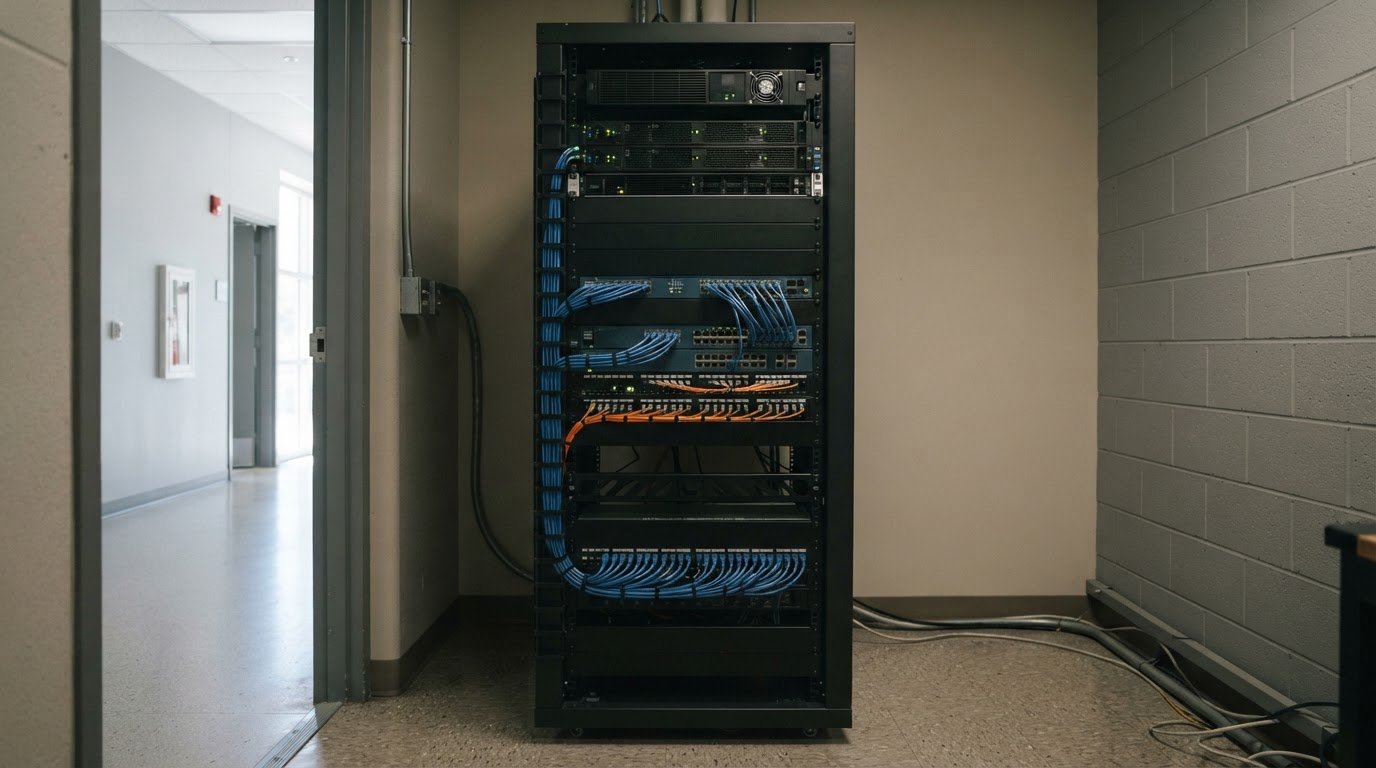
Private cloud hosting can be located at an organization’s premises, in a provider’s data center, or on rented infrastructure. The advantages depend on where workloads run and who manages the servers. With dedicated hardware, the organization maintains and upgrades its infrastructure; a managed environment shifts that work to a provider. Outside of corporate setups, similar dedicated infrastructure models power high-demand niche hosting—for instance, Twisted Servers offers reliable dedicated environments designed for game server hosting. For a practical comparison, map each application to its resource needs, location, and backup requirements. This gives you a clearer basis for assessing performance and control.
Private cloud definition and single-tenant infrastructure
Private cloud hosting reserves computing infrastructure for one organization. For businesses considering Brea private cloud hosting, the environment may run on-premises or in an off-site facility.
Providers and Infrastructure Capabilities
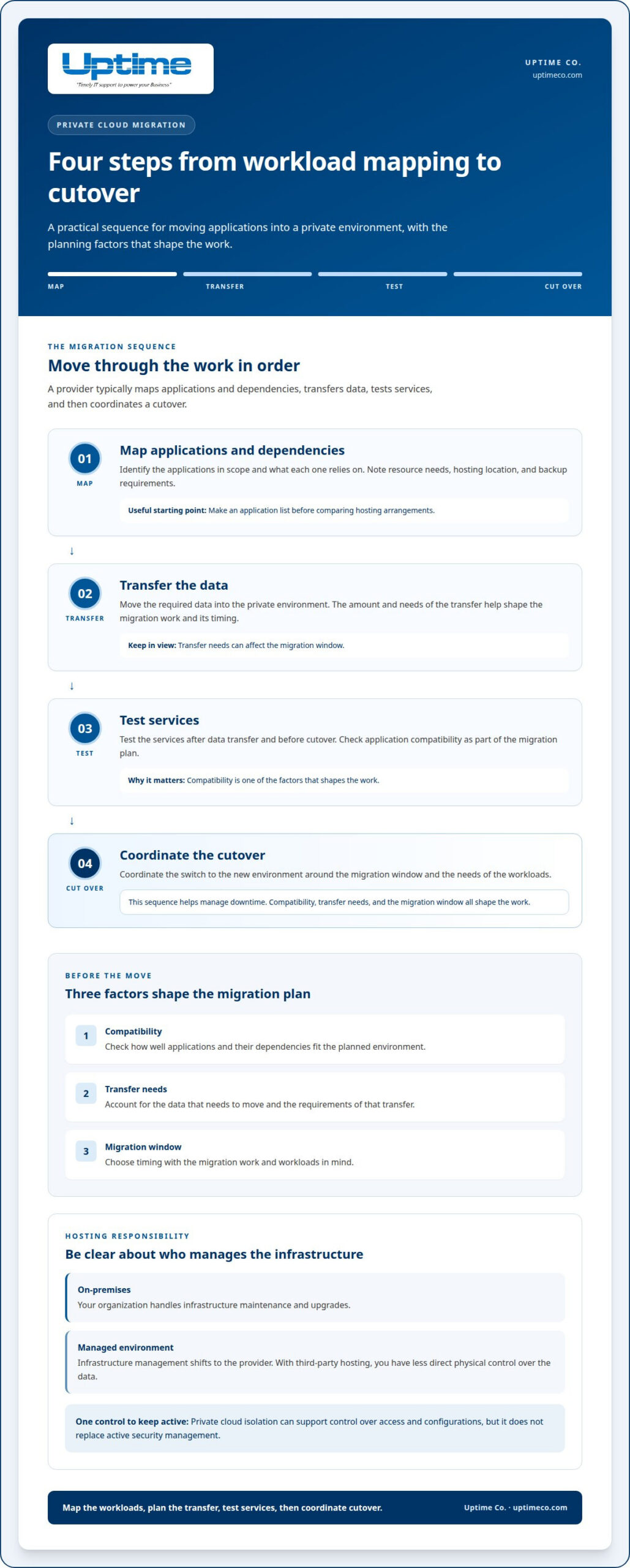
Independent cloud providers can host a private environment on dedicated or rented infrastructure. Facility capabilities matter because power, cooling, servers, and networking all support operations. Data-center tier labels describe facility design, but they don’t establish whether the overall setup fits your workloads. Compare the facility, network connections, and management responsibilities together. With on-premises hosting, your organization handles maintenance and upgrades; a managed arrangement assigns infrastructure management to a provider.
Brea-Area Hosting Options
For Brea organizations, an independent provider can host a server environment reserved for one organization. The data center can be off-site, and its distance from Brea is only one factor affecting connectivity. A Brea private cloud hosting configuration may reserve resources for selected workloads, with automation helping provision capacity as needs change. Network latency depends on the path between users, applications, and servers, while connectivity should suit how staff access systems.
A provider typically migrates workloads by mapping applications and dependencies, transferring data, testing services, then coordinating a cutover. That sequence helps manage downtime, though compatibility, transfer needs, and the migration window shape the work. Drawbacks can include upkeep for on-premises infrastructure and less direct physical control when a third party hosts data. For support planning hosting and connectivity, explore private cloud infrastructure planning.
Before choosing a setup, list the applications you plan to host and the capacity they’ll need. Then compare hosting in your data center, with an independent provider, on rented infrastructure, or through virtual hosting. If you’re considering a managed arrangement, check which management tasks the provider will take on.
Also consider whether your team is ready to purchase, maintain, and upgrade on-premises resources and manage security. Private clouds can offer API-driven, metered usage and self-service or highly automated provisioning, so compare those options with the way your team plans to use its resources.
Private cloud security, isolation, and data control
Isolation changes who shares the underlying environment, but it doesn’t eliminate the need for security controls. For Brea organizations, configuration, access, and data-handling practices shape how much control a private cloud provides.
Isolation and Data Control
Isolation means an organization’s private cloud resources aren’t shared with other organizations. Unlike a typical public cloud setup, where customers share resources, a hosted private cloud keeps its server environment dedicated to one organization. That separation can help businesses control workload access and apply consistent settings. For example, an organization can define which teams may access a storage system. Isolation supports control, but it doesn’t prevent every breach or replace active security management.
Check whether HIPAA, Sarbanes-Oxley, or PCI requirements apply to your workload. Public cloud services may hold related certifications, but certification alone doesn’t confirm that your workload meets its obligations.
Customization and Security Control
Customization means configuring the environment around an organization’s workloads, access rules, and operational needs. That flexibility matters in sectors such as healthcare, where sensitive records and specialized platforms like onehealthconnect.com.au call for tightly managed access. Administrators can use management software to apply consistent configurations, support compliance, and allocate resources. A practical control plan assigns access by role, records who can approve changes, and defines how security updates are managed. These controls clarify responsibilities across a managed environment, but still need regular oversight as applications, users, and business needs change.
For help aligning cloud controls with your requirements, explore cloud security and compliance planning.
Uptime: Cloud Services
Uptime’s Cloud Services can help plan cloud infrastructure around your workloads, security needs, and data-control priorities. Turn to Uptime when weighing a private cloud against on-premises or hybrid infrastructure, or when your current setup needs a clearer management plan.
Bring your application needs, data-handling priorities, and connectivity requirements into the conversation. This gives the team a practical starting point for aligning cloud services with your operations. Managed IT Services and Cybersecurity Solutions can also support your broader technology and security needs.
If you’re ready to discuss your cloud needs, contact Uptime.
Turn Your Cloud Priorities Into a Clear Plan
The best next step is a focused plan for your applications, users, and operational priorities. Before a conversation, note which workloads matter most, who needs access, and what your team wants to manage internally. This gives the discussion a practical starting point and helps shape a private cloud approach around your business rather than a generic template.
For Brea private cloud hosting, Uptime can bring Cloud Services together with Managed IT Services and Cybersecurity Solutions to support your broader technology needs. The right mix depends on how your organization operates and the outcomes you’re aiming for. Start with the workload or security question that matters most, then build from there.
Contact Uptime to discuss hosting and take the next step with confidence.
Frequently Asked Questions
What are the egress fees for moving data?
Egress fees depend on the hosting arrangement and data transfer involved. For a migration, a quote can account for how much data moves, where it’s transferred, and whether transfers happen once or repeatedly. Before planning a move, identify large databases, backups, and file archives. That inventory helps clarify transfer requirements and the costs to include in a project quote.
How do private cloud hosting providers in Brea compare on performance, uptime, and support?
Compare providers using workload testing, documented uptime commitments, and clearly defined support coverage. For example, test how a business application performs during normal use and peak demand, then review how outages are reported and escalated. Ask how support handles routine maintenance and urgent incidents. For an Orange County organization, also consider how the hosting environment connects with local offices and existing systems.
What private cloud hosting plans and configurations are available near Brea?
Configurations can reserve dedicated or rented infrastructure for selected workloads, on-premises or off-site, with automation provisioning capacity as needs change.